
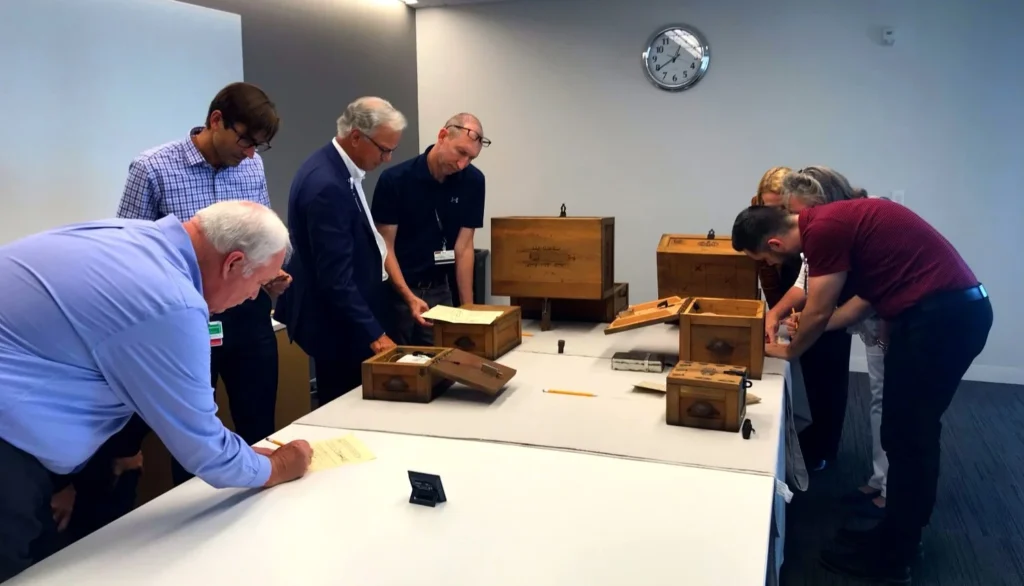
Escape rooms have become one of the most engaging group activities in recent years. Designed to challenge participants through puzzles, hidden clues, and immersive storylines, these experiences require teamwork to succeed. Unlike traditional entertainment options where individuals passively participate, escape rooms demand active cooperation, thoughtful discussion, and coordinated problem-solving. As groups work together under time pressure, they naturally develop stronger communication habits and collaborative skills.
Shared Goals Create Stronger Connections
One of the primary reasons escape rooms strengthen collaboration is the presence of a shared objective. Every participant enters with the same mission: solve the puzzles and escape before time runs out. This common goal eliminates hierarchy and encourages equal participation. Whether players are coworkers, friends, or family members, everyone must contribute ideas and observations.
In an escape room truckee experience, teams quickly realize that success depends on listening to one another. Someone may notice a hidden symbol, while another recognizes its meaning. When participants communicate their findings clearly, the group progresses faster and builds trust along the way.
Clear Communication Speeds Up Problem Solving
Escape rooms place participants in high-pressure environments where time is limited. This urgency highlights the importance of clear and direct communication. Teams that share discoveries immediately, repeat important information, and confirm understanding are far more likely to succeed.
For example, when one player finds a key and another discovers a locked box, verbalizing those findings prevents duplication of effort. In a truckee escape room, groups often learn that silence slows progress, while constant updates keep everyone aligned. This environment encourages participants to practice concise speaking and active listening skills that transfer into everyday life.
Encouraging Active Listening and Respect for Ideas
Successful teams do more than speak. They listen carefully and respect every suggestion. Escape rooms present puzzles that require diverse thinking styles. Logical thinkers, creative minds, and detail-oriented observers all contribute in different ways.
When someone proposes a solution, teams that pause and consider the idea often uncover breakthroughs. This collaborative mindset fosters respect and openness. Participants learn that no idea is too small and that multiple perspectives lead to better outcomes. These lessons are particularly valuable for workplace teams seeking to improve cooperation.
Role Distribution Enhances Team Efficiency
Another key aspect of collaboration in escape rooms is the natural division of responsibilities. As the game progresses, participants begin to take on roles based on their strengths. Some players search for hidden clues, others analyze puzzles, and others track solved tasks.
This informal role distribution improves efficiency and reduces confusion. In an escape room truckee setting, teams often discover that assigning tasks allows them to cover more ground and maintain organization. Learning to delegate and trust teammates is an essential collaboration skill that applies to professional and personal environments.
Building Trust Through Shared Success
Completing an escape room challenge creates a strong sense of accomplishment. Overcoming obstacles together builds trust and strengthens relationships. Teams celebrate their success knowing that cooperation made it possible.
Even when groups do not escape in time, the experience fosters bonding. Participants reflect on what worked, what could improve, and how they supported one another. This reflection process enhances future collaboration and encourages continued teamwork.
Improving Workplace and Social Dynamics
Escape rooms are widely used for corporate team building because they mirror real-world collaboration challenges. Teams must communicate clearly, manage time effectively, respect diverse viewpoints, and work toward shared goals. These experiences translate directly into improved workplace dynamics.
Friends and families also benefit. The experience encourages laughter, shared problem-solving, and memorable interactions that deepen relationships.
Conclusion
Escape rooms offer far more than entertainment. They provide a dynamic environment where communication and collaboration are essential for success. Through shared goals, clear dialogue, active listening, and teamwork, participants develop skills that strengthen relationships and improve group performance. Whether tackling puzzles with coworkers or enjoying a truckee escape room adventure with friends, the experience reinforces the value of working together to achieve a common goal.
